

Welcome to Ripped — where we tear into the hobby’s biggest new releases and show you what’s actually inside.
We called Series Two cautiously rippable in the Wax Watch, flying blind with no odds sheet on release night. When Topps finally posted the numbers, the math told us what we feared. We dropped it to singles only in the Wax Value Index.
Print runs are still massive. Parallels still tough pulls. But we had boxes on the way, so we cracked them anyway.
Two Hobby Boxes and one Jumbo. About $500 all in.
Is the midseason chapter any better than Series One?
Let’s rip in.
Base
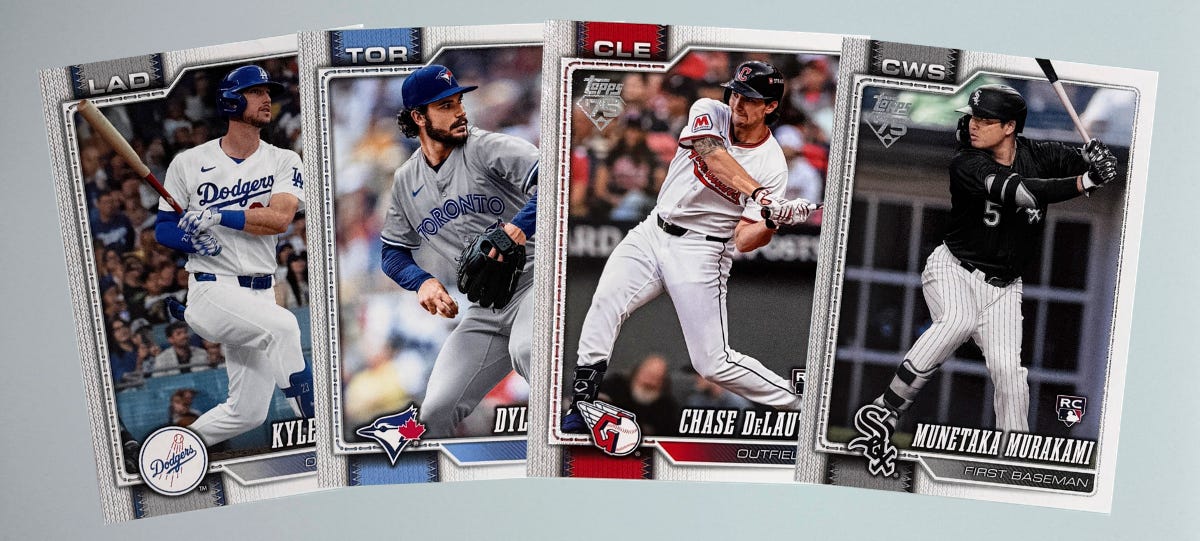
QC was the headline this time. In a good way.
Last time out, centering was the whole story. We were pulling off-center base across an entire Hobby Box, and the color-shifting pinstripe made every miss impossible to ignore. That dragged Series One down to a B+ that felt generous.
Series Two fixed it. Corners were sharp. Edges were clean. We had our eye out for the centering problem that sank Series One and never found it. Across the board, Series 2 might have the cleanest QC we’ve seen all year.
The design carries over from Series One, and we’ll admit it. We weren’t sold at first. It’s grown on us. It’s a solid addition to Topps’ long history of flagship designs, and it reads even better now that the print quality is doing it justice.
When the cards are this clean, the grade writes itself.
Verdict: A+ — Some of the best QC we've seen all year. The centering gremlins from Series One are gone.
Inserts
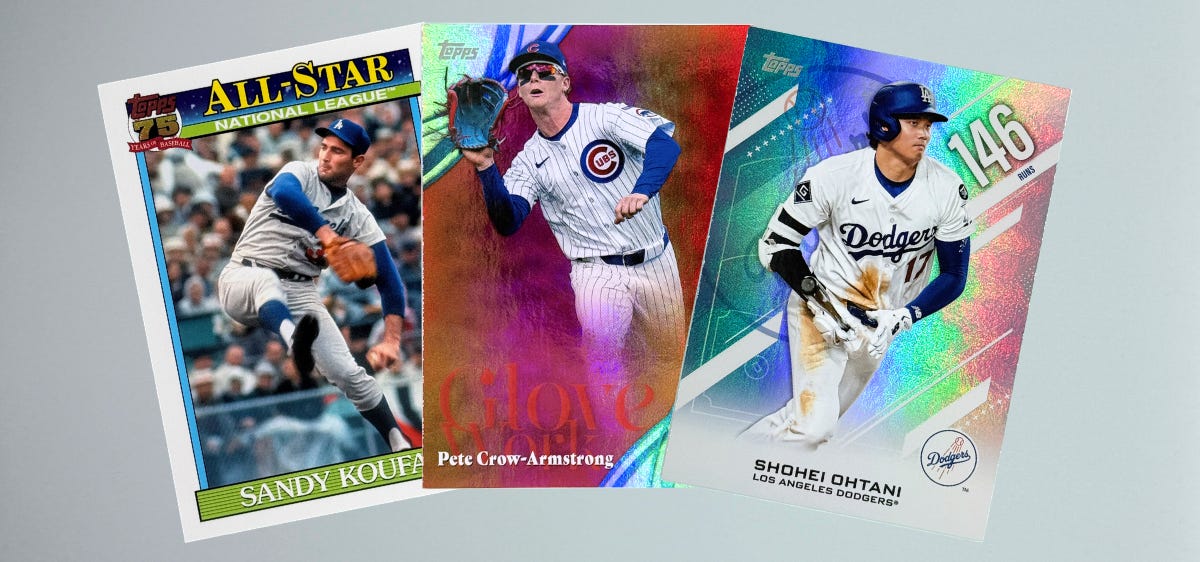
Inserts are… meh.
We knew the 1991 Topps content was coming, so no surprises there. The foil inserts are where we wanted more. Glove Work and Crooked Numbers are perfectly fine, but they read like something out of the early 2000s. Think Topps Total, or the cheaper Topps products of that era. Not bad. Just not our cup of tea.
The QC held up here too. No complaints on the build.
One thing wax rippers should know: the insert thickness variance is wild. Flagship usually lives comfortably in a 20pt top loader, maybe a 55pt for the chunkier relics. We pulled a relic so thick that it was the only card in the pack. If you’re ripping this product, grab a pack of 200pt holders just in case. Better to have them on hand than order them after the fact.
Verdict: C- — Good quality, but the insert lineup just doesn't bring much excitement.
Parallels
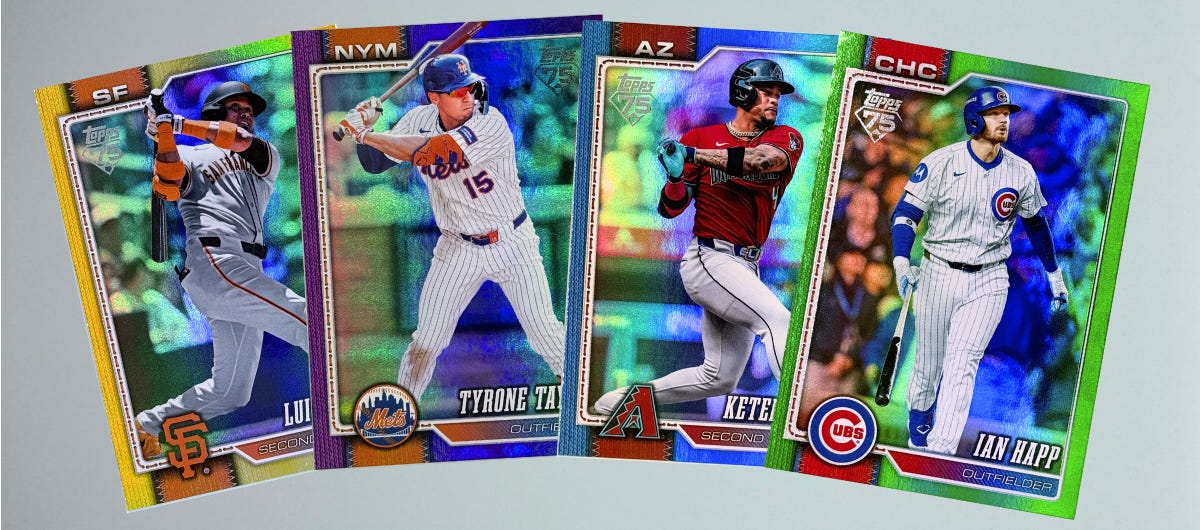
This is where the improved QC really pays off.
Centering was good. Corners were good. That matters more than usual with foil parallels, where peeling is a common headache. We didn’t run into it once in Series Two. The foil colors are deep and rich, and they pop in hand the way you’d hope.
The paper gold (the actual paper stock, not the gold foil) looks the same as it did in Series One. A little brown to our eye. Not a complaint, just a note for the rainbow builders tracking consistency year to year.
Verdict: A — Rich foil color, clean build, and none of the peeling these parallels are prone to.
Hit Consistency
Product odds tell one story. Actual pack distribution tells another.
🔥= Hit
Our Rip: 2x Hobby Boxes & 1x Jumbo Hobby Box
Hobby Box #1 🔥
1x Rare Relic • 2x Numbered Parallels • 2x Base Rainbow Foils • 1x Insert Rainbow Foil • 9x Inserts • No Promo Pack
Hobby Box #2
1x Relic • 2x Numbered Parallels • 3x Rainbow Foils • 10x Inserts
Jumbo Hobby Box🔥
1x Numbered Auto • 1x Numbered Relic • 3x Numbered Parallels • 4x Rainbow Foils • 5x Sand Glitter Parallels • 20x Inserts
Here’s some good news for once. Remember the Series One warning? 14 of our 15 hits landed in the middle pack of each quadrant, a 93% clip that practically invited bad actors to pull the guaranteed hits and resell the dead packs.
Series Two didn’t do that.
Across the two Hobby Boxes, the relics and numbered parallels didn’t land in the same quadrants box to box. There was real collation variance. It wasn’t cut and dry which pack held the hit, which is exactly what you want to see. In the Jumbo, our two guaranteed hits (the auto and the relic) landed on opposite sides of the box. We only opened one Jumbo, so we won’t pretend that’s a pattern. But it’s a promising sign.
The pull rates threw us a couple of curveballs. We hit more Rainbow Foils than the odds sheet suggested, which was a nice bonus. The flip side: across two Hobby Boxes and a Jumbo, we landed exactly one paper gold, the highest-numbered card available in the set. One. That’s nuts.
A word on fun factor, because it matters. The Hobby Boxes were a drag, same as Series One. The pull odds are so uncommon that you slog through pack after pack of base, and some didn’t have an insert at all. The Jumbo was a different experience entirely. Something in every pack, with the goodies stacked toward the back. More base overall, sure, but it never felt like a grind.
⚠️ One More Thing
Our first Hobby Box showed up missing its promo pack entirely. We filed a claim with Topps, and they have an estimate of 12 to 14 weeks just to review it. At what hobby boxes cost these days, that’s not a great look.
Hopefully this was an anomaly.
Final Thoughts
Series Two usually marks the midpoint slog of the flagship calendar, and this rip confirmed a lot of what we feared.
The product itself is clean. Best QC of the year, rich parallels, a design that’s finally winning us over. But none of that fixes the core problem. Print runs are at insane highs, and when even the most common parallels are this tough to pull, the fun of ripping starts to die off. You feel it most in the standard Hobby Boxes, where long stretches of nothing but base wear you down.
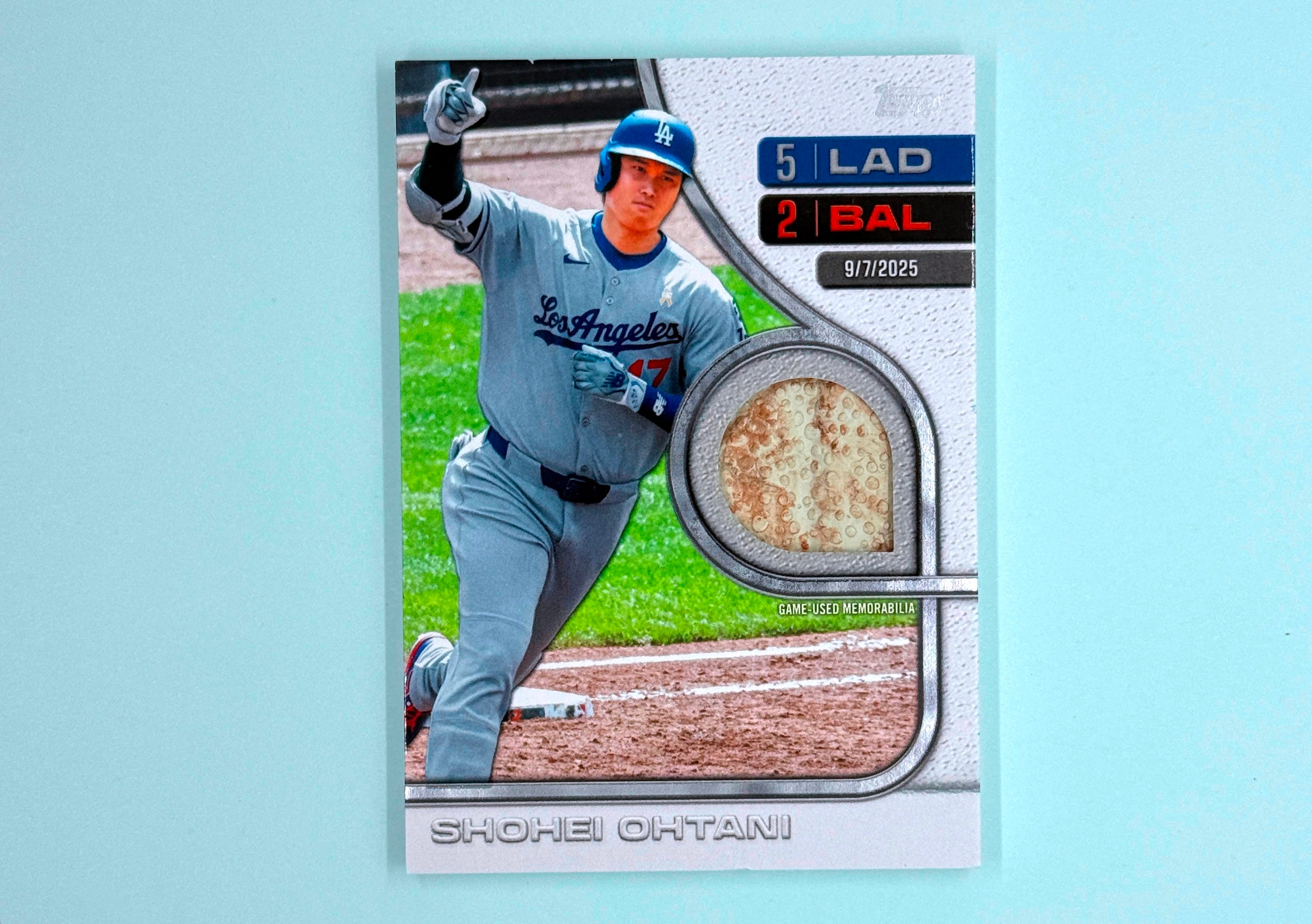
The math doesn’t help either. We spent about $500 on this rip. Our best pull, Shohei Ohtani’s “Rounding the Bases” game-used relic — a 1:1,068 hobby pack pull — has a record sale of around $300. Let that sit. The single best card we pulled across three boxes (and a good one at that) wouldn’t cover two-thirds of what we paid to open them. That’s the singles-only argument in one sentence.
The rookie checklist is okay. Some good names on it, but it’s not as deep as Series One. If we had to pick a flagship to rip for the rookies, we’d go back to Series One, centering gremlins and all.
Here’s something to file away. Update traditionally runs a lower print than Series One and Series Two. If it carries this same tough-to-pull streak into a smaller print run, that’s a real factor to weigh when 2027 Baseball rolls around and you’re deciding where your dollars go.
One bright spot. The combined Series One and Series Two checklist is one of the better ones we’ve seen in recent years. That bodes well for Topps Chrome next month. If you’re a baseball card fan, that’s the one to circle.
So where does that leave us? Right where the Index did. Pulling anything of value is just too hard to justify ripping at scale. If you want the cards, the secondary market is the smarter play.
If you’re set on ripping anyway, let the Index be your guide. Fat Packs graded out as the best expected spend across nearly every parallel and insert in Series Two, so that’s where your dollars stretch furthest. And if it’s the guaranteed auto and relic you’re chasing, spring for the Jumbo Hobby Box. Of the two Hobby formats we opened, the Jumbo was the only one that felt fun, with something in every pack and a far better spread than standard Hobby. The one move we’d steer you away from is a standard Hobby Box.
Final Verdict: Singles Only
Hit Me!
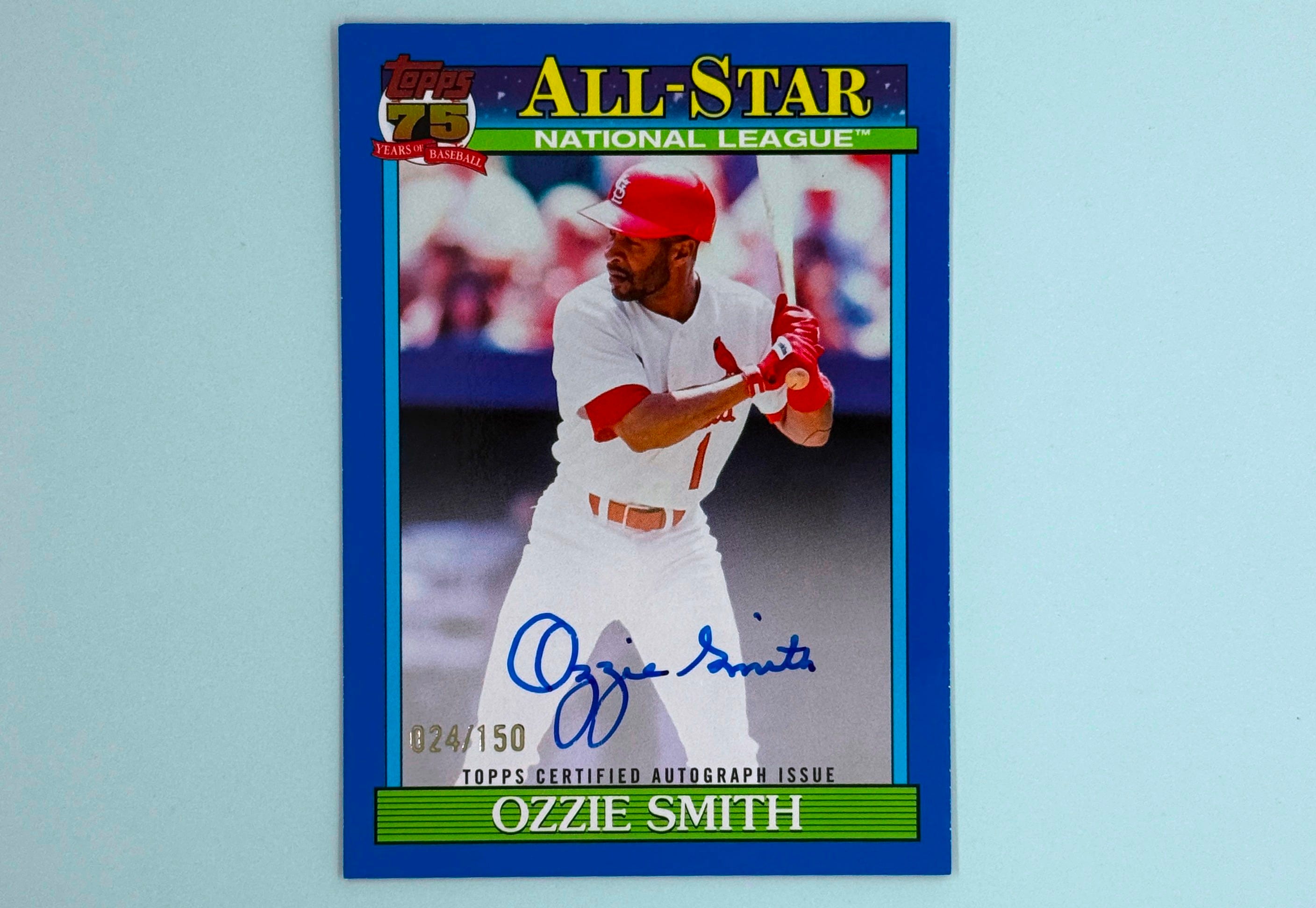
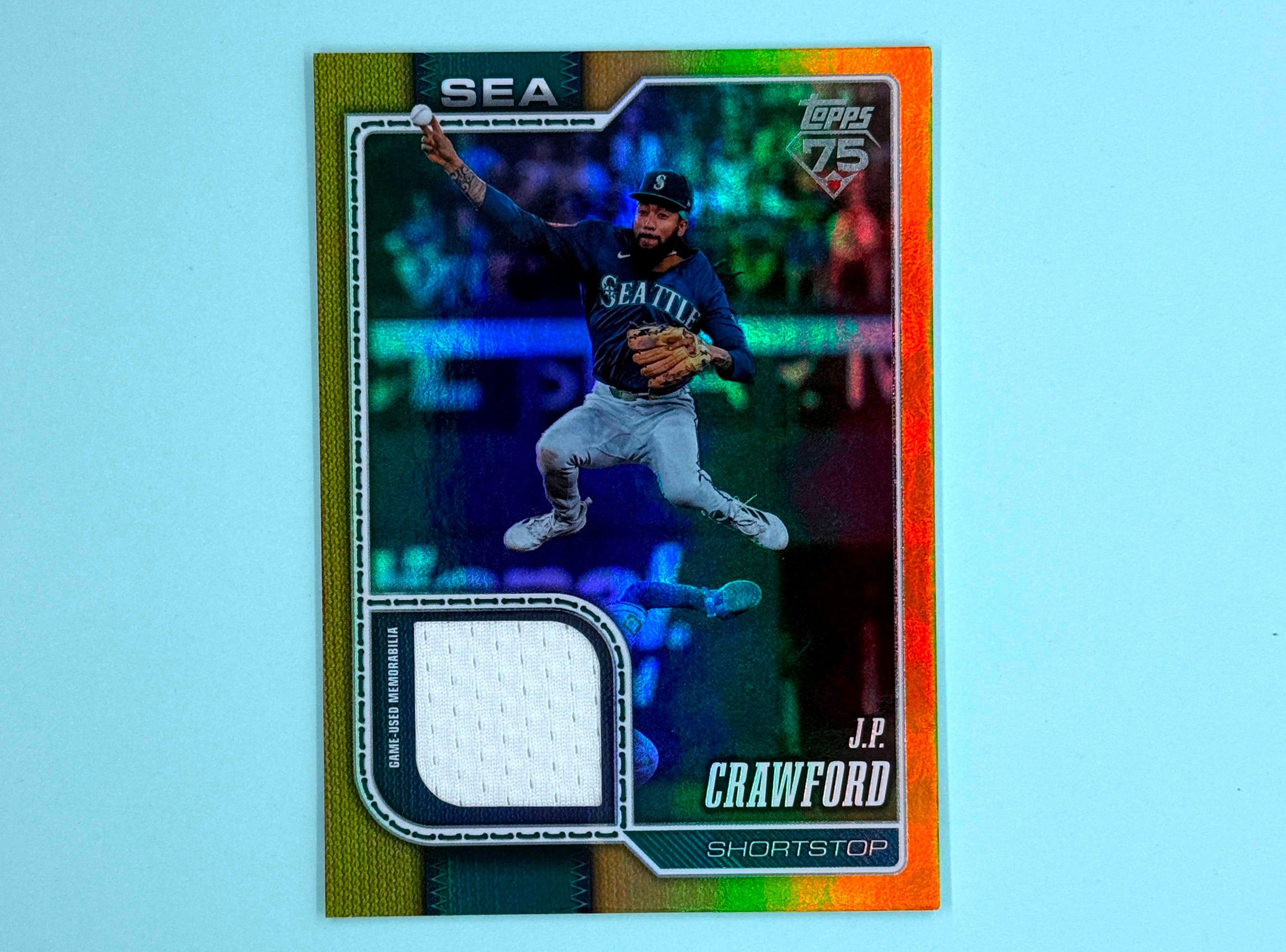
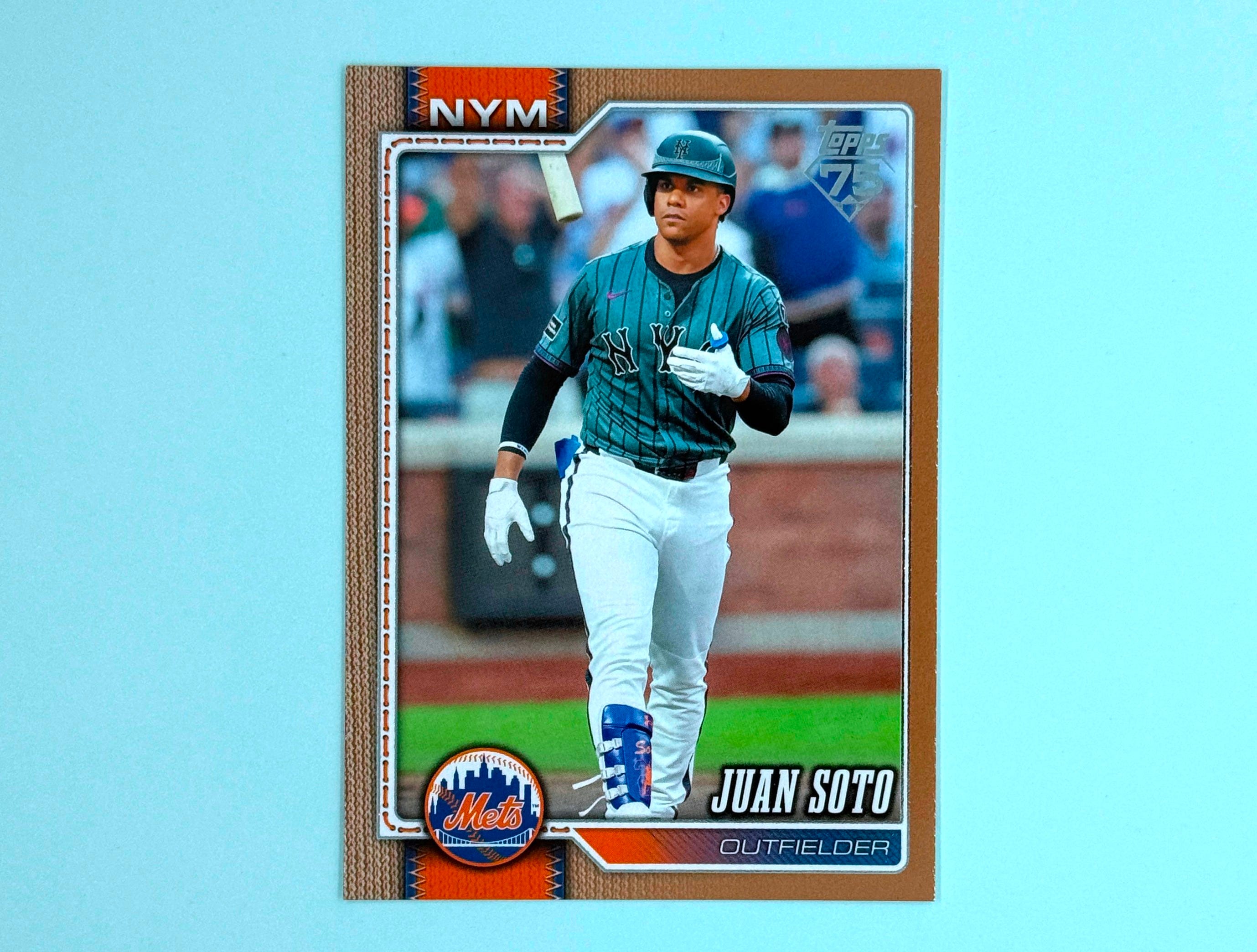
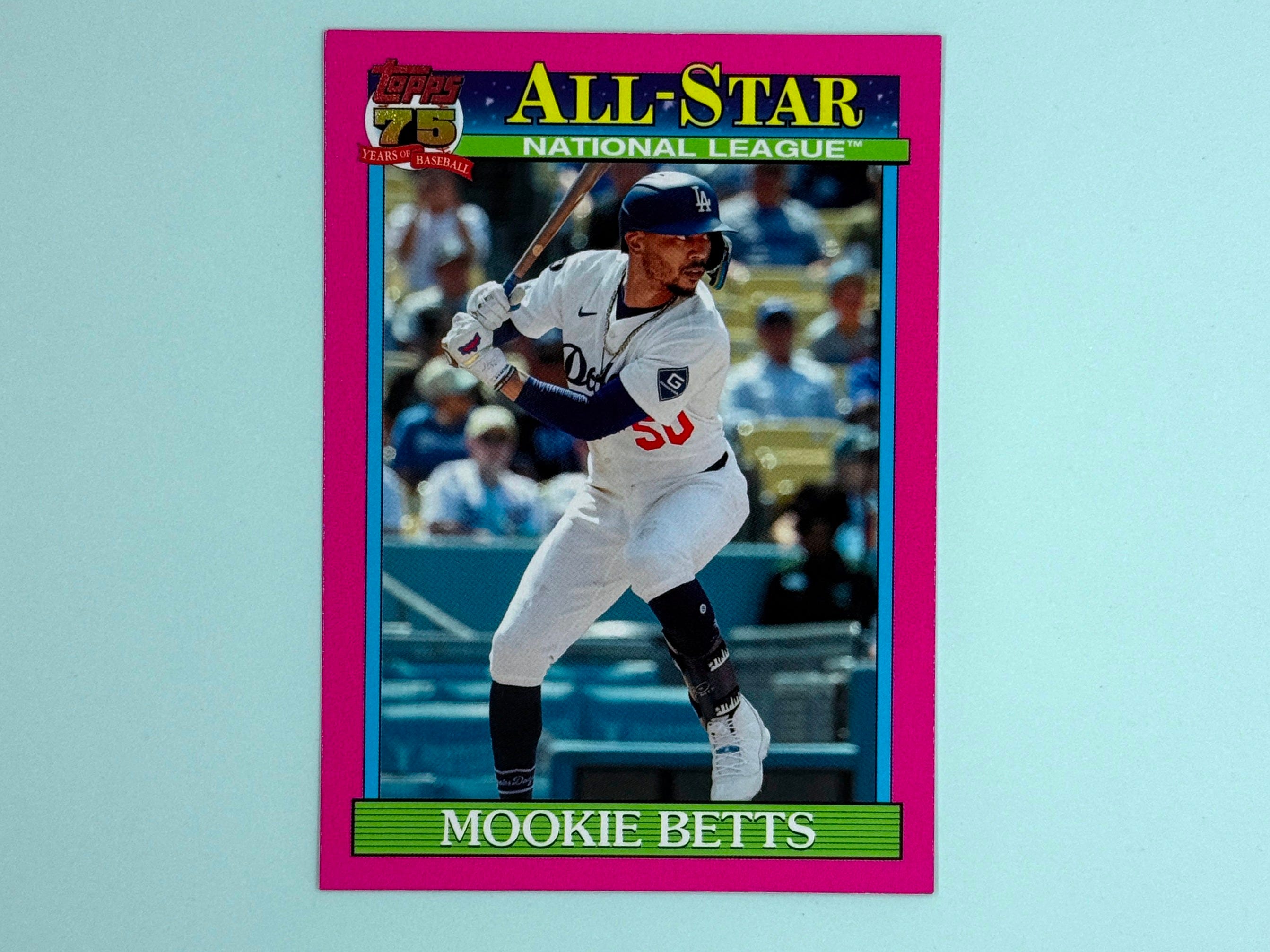
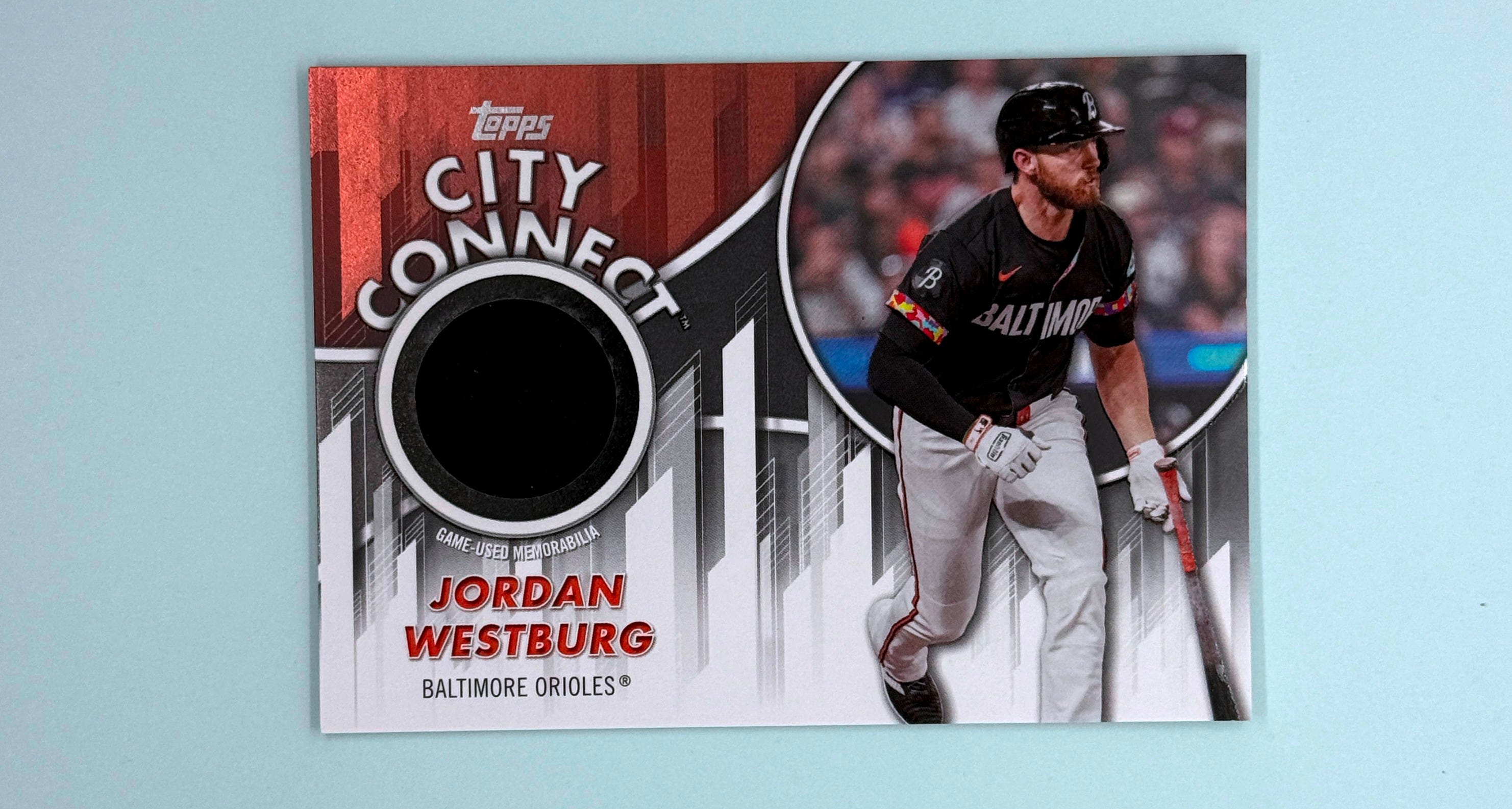
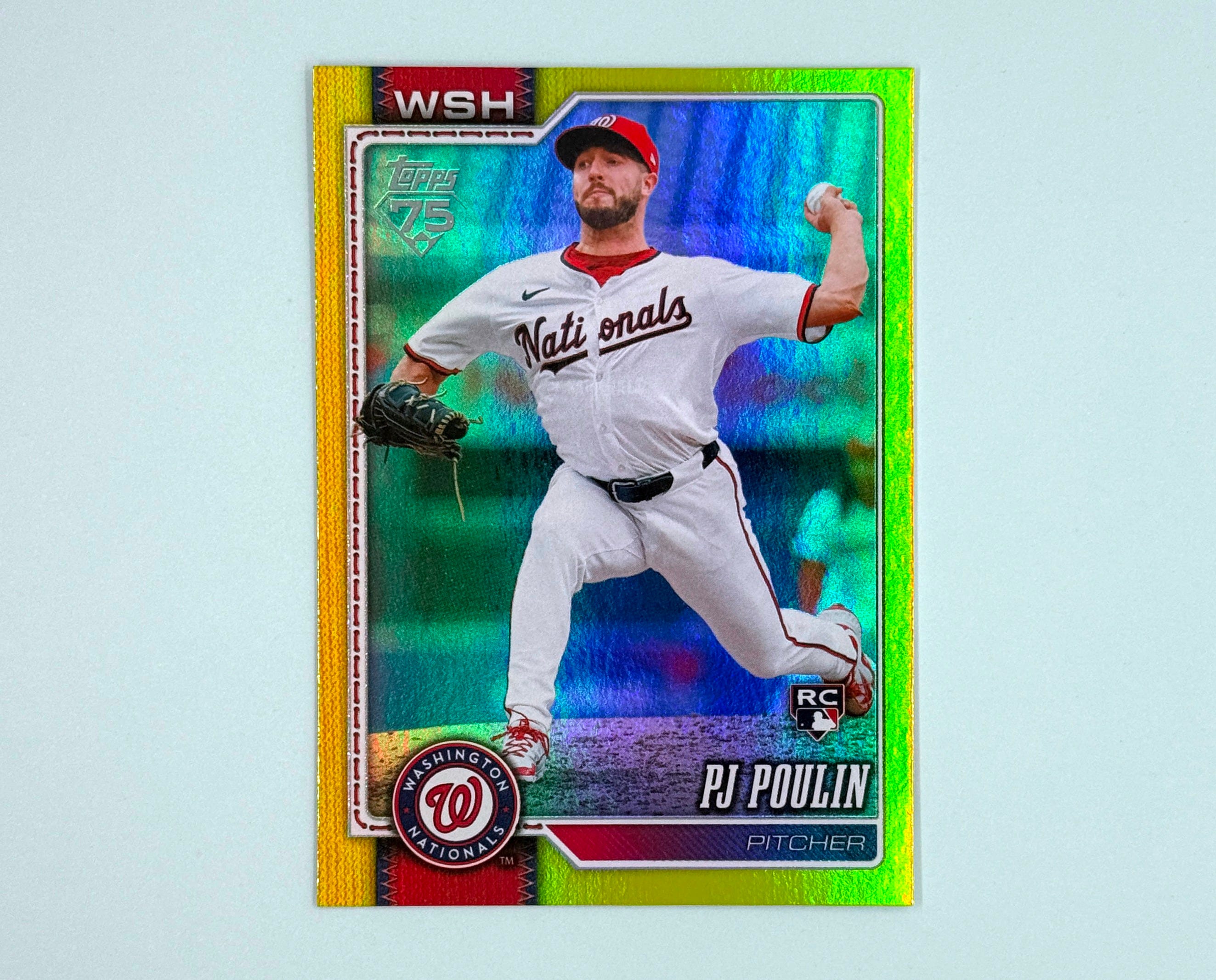
Check out some of what we pulled below! If you ripped any yourself, drop your best hits in the comments.
Disclaimer: The content in The Hobby Wire is for informational and entertainment purposes only. Commentary, analysis, and opinions on sports cards, rookies, and the hobby are not financial, investment, or professional advice. Collectors should always do their own research before buying, selling, or trading cards. Market values are volatile and can change rapidly—past performance is not a guarantee of future results.
Unless specified, all pricing references are based on the Prizm/Refractor parallels of an athlete’s Chrome rookie card, with prices from market movers, alt.xyz & 130pt.com.
Any odds mentioned were derived from DraftKings Sportsbook.